
Hope and Despair in the Narrator's Interior Dialogue
The Little PrinceThe narrator alternates between reassurance that the Rose is safe and terror that the Sheep has eaten it, embodying conflicting inner voices.
increasing Bearing strength in each event
 decreasing
Bearing strength in each eventdecreasingConfident in Care
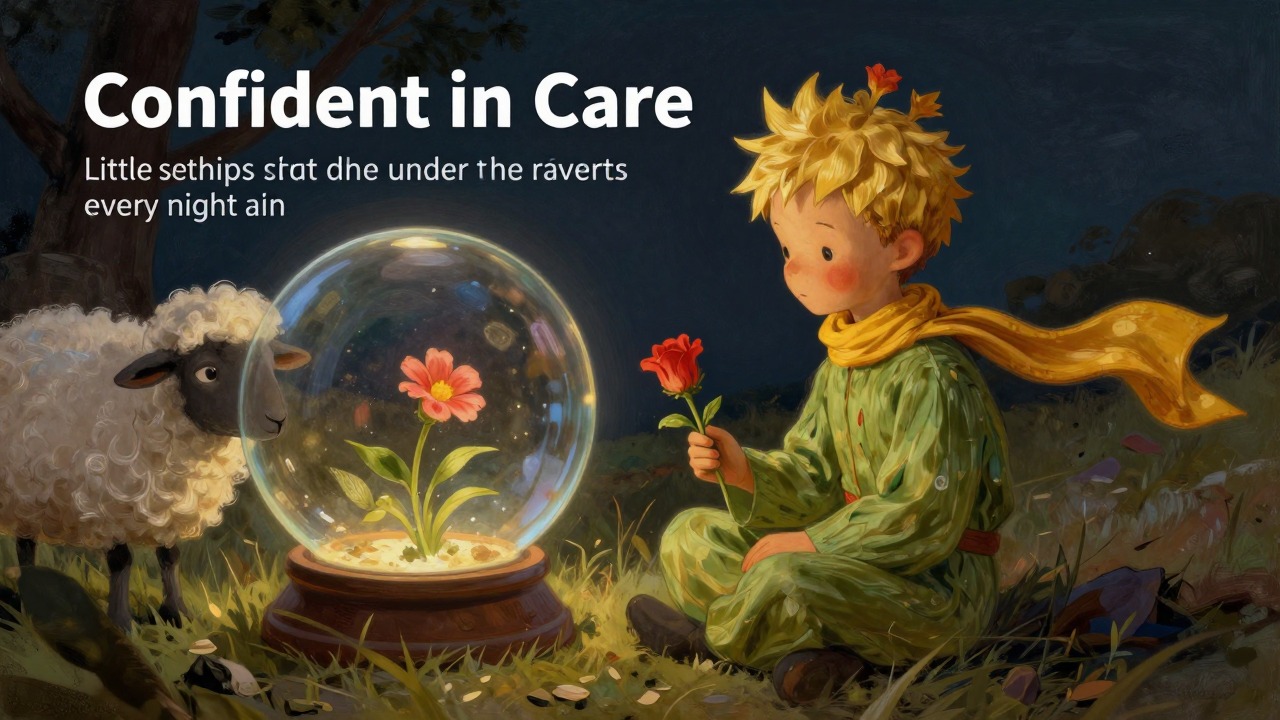
Confident in Care
Context
The narrator tells himself that the Little Prince shuts the flower under her glass globe every night and watches over the Sheep carefully. This image brings him immediate relief.
Development
The confidence is based on the assumption that the prince never fails. If the prince is as attentive as the narrator believes, then the Rose is safe and the universe is orderly.
Significance
Confident in care is the hopeful pole of the narrator's oscillation. It shows his need to trust in love's reliability.
Sweetness in Stars
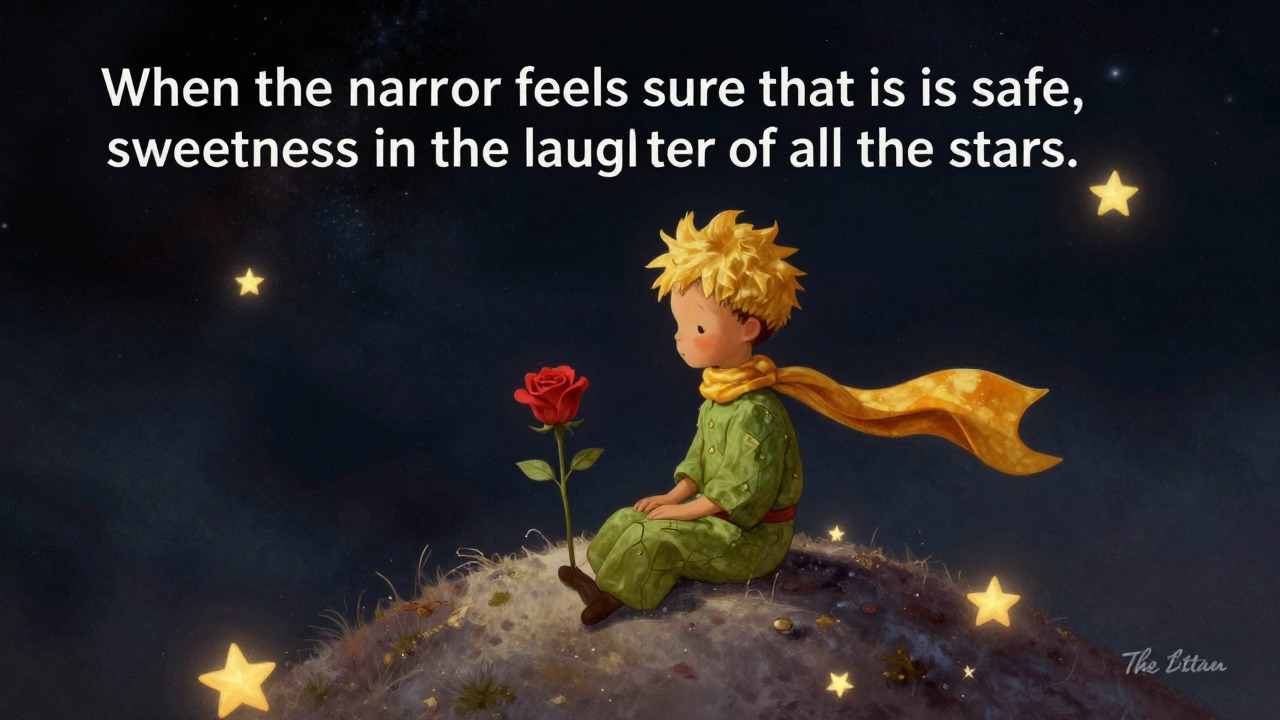
Sweetness in Stars
Context
When the narrator feels sure that the Rose is safe, he experiences "sweetness in the laughter of all the stars." The stars reflect his internal peace.
Development
The sweetness is not in the stars themselves but in his interpretation. The cosmic sound has shifted from neutral to joyful. Hope changes perception.
Significance
Sweetness in stars demonstrates how emotional state colors external reality. The same sky is different in hope and fear.
Absent-Mindedness Breakthrough
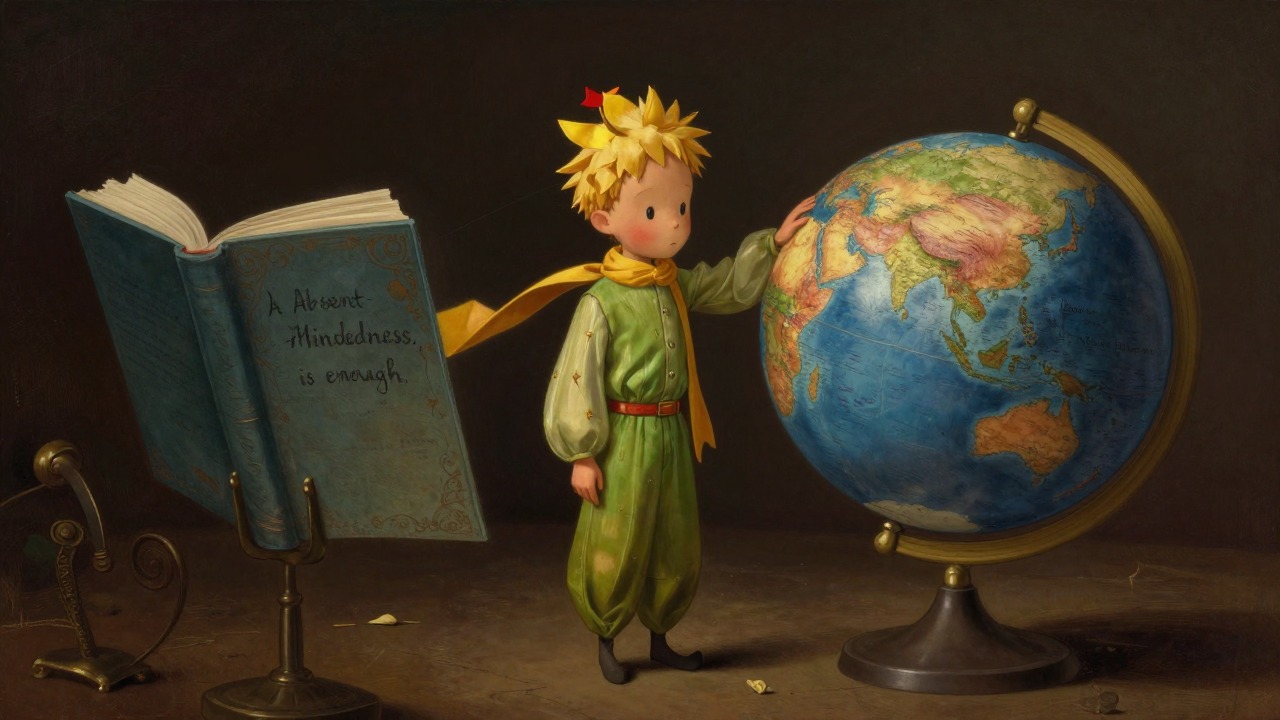
Absent-Mindedness Breakthrough
Context
The narrator's hopeful thought is interrupted by the reflection that at some moment or other one is absent-minded, and that is enough. The prince might forget the globe.
Development
This breakthrough of doubt attacks the foundation of his confidence. If the prince can err, then the safeguards are not absolute. The universe regains its uncertainty.
Significance
Absent-mindedness breakthrough is the turning point from hope to despair. It introduces the possibility of failure.
Bells Changed to Tears
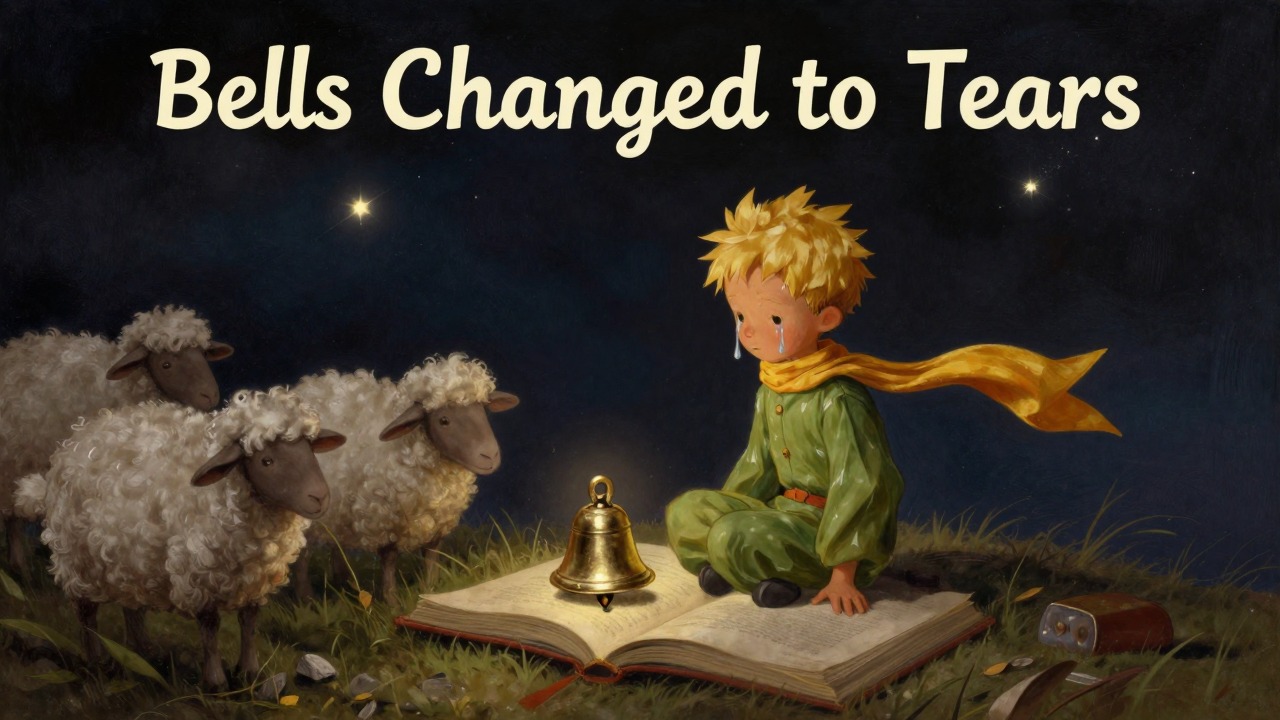
Bells Changed to Tears
Context
The narrator imagines the Sheep escaping in the night, and the little bells are changed to tears. The same stars that were sweet are now sorrowful.
Development
The shift is total and immediate. The cosmic music does not disappear; it mutates. This is the despairing pole of the interior dialogue.
Significance
Bells changed to tears shows how fragile the narrator's comfort is. He can be plunged from joy to grief by a single hypothetical.
Question Left Open
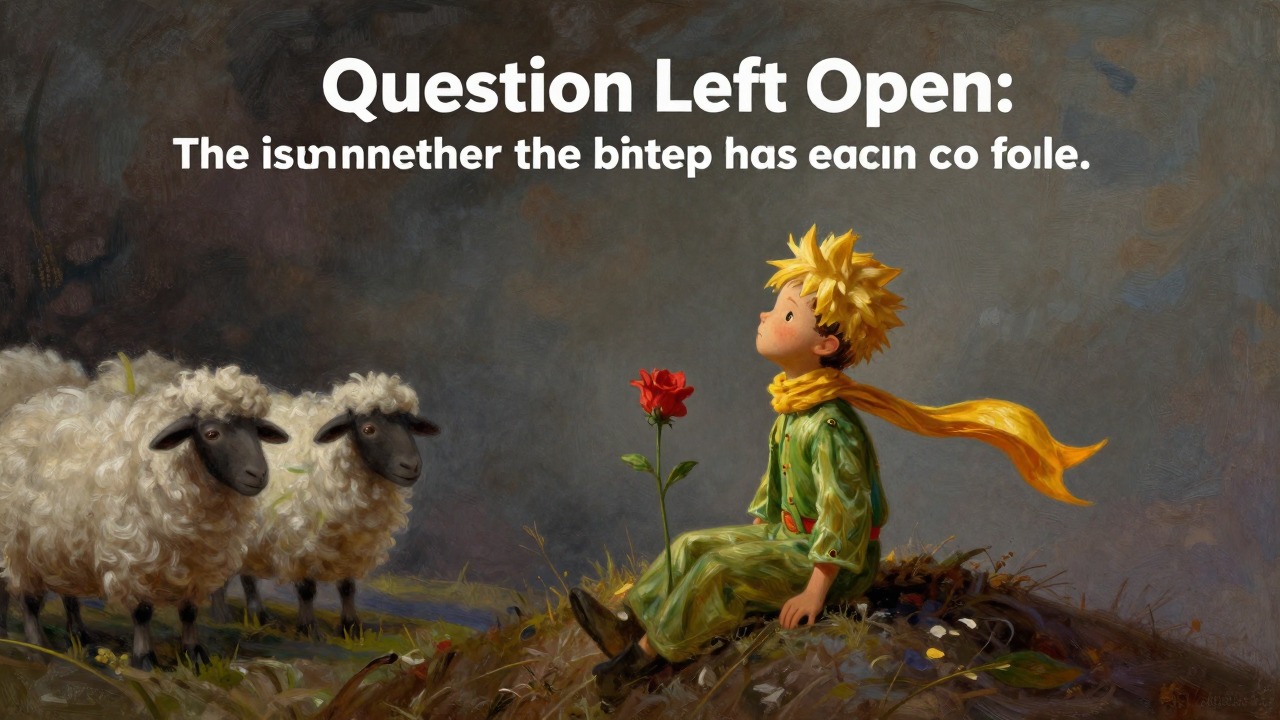
Question Left Open
Context
At the end of the epilogue, the narrator asks readers to look up and ask whether the Sheep has eaten the flower. He cannot resolve the conflict himself.
Development
By externalizing the question, he defers the final verdict. The oscillation between hope and despair is handed to the reader. The story remains in a state of productive tension.
Significance
Question left open turns the narrator's personal conflict into a universal meditation. The epilogue refuses to choose.
at the moment the narrator imagines the prince's faithful routine
when hope makes the star bells sweet
when the narrator remembers that anyone can be absent-minded
when despair turns the star bells into tears
when the narrator asks readers to decide yes or no
